
The Vinho Verde Route in the Minho: a complete guide to wineries, grapes and flavours
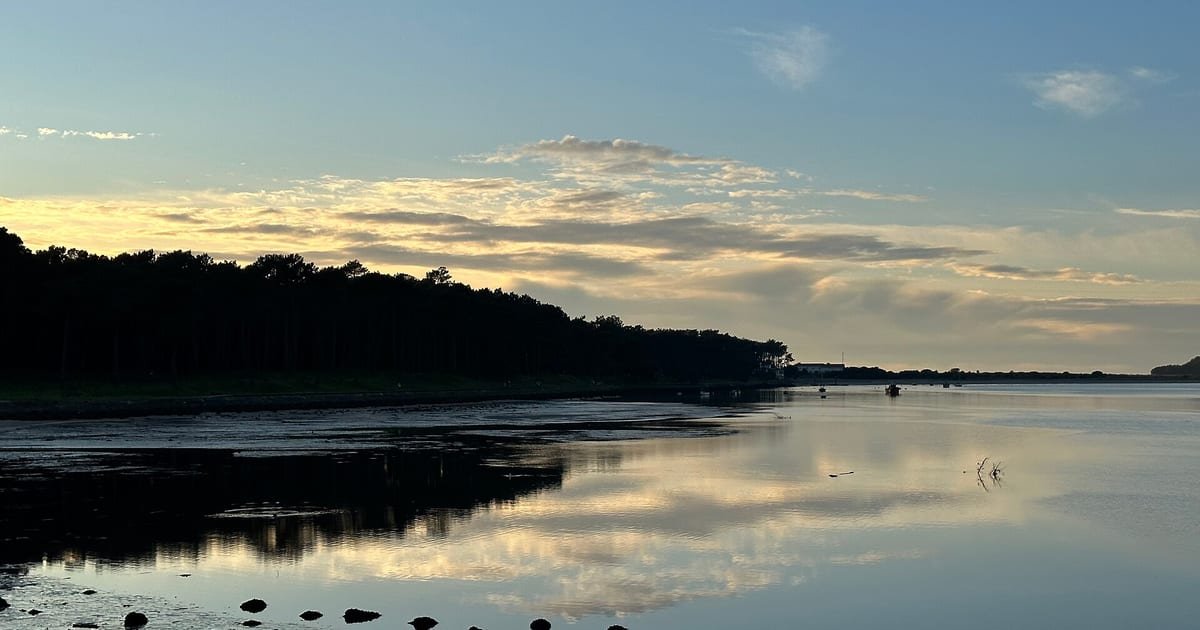
Few pleasures are as genuinely Minho as opening a bottle of chilled Vinho Verde on a warm afternoon, with the hills in the distance and the smell of damp earth in the air. Here in the Minho, Vinho Verde isn't just a drink: it's landscape, family memory and the way the region welcomes those who arrive. Our holiday house with a private pool in Tregosa sits right in the heart of this demarcated region, which makes it an ideal base for exploring the Vinho Verde Route at a leisurely pace.
So what exactly is Vinho Verde?
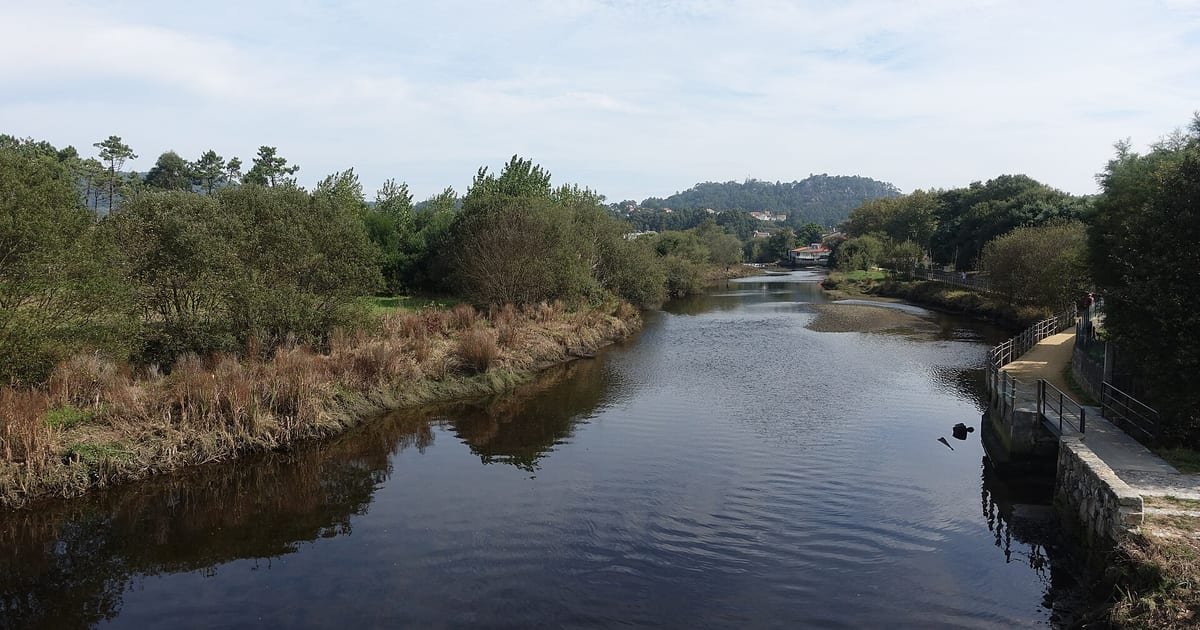
Contrary to what many believe, the "green" has nothing to do with the colour or with unripe grapes. It refers to the region and the style: young, fresh, light and slightly fruity wines, made to be drunk young. The Vinhos Verdes Demarcated Region is one of the oldest and largest in Portugal, covering the entire northwest of the country, between the river Minho to the north and the Douro to the south. The humid, lush Atlantic climate gives the vineyards that luminous green you see everywhere the moment you leave the main road.
The sub-regions: nine territories, nine personalities
Guests of Alojamento Rio Neiva in Tregosa are just minutes away. Book via WhatsApp.
The region is divided into nine sub-regions — Monção e Melgaço, Lima, Basto, Cávado, Ave, Amarante, Baião, Sousa and Paiva — and each gives the wine its own character. Barcelos, right next to Tregosa, belongs to the Cávado sub-region, so you are quite literally in Vinho Verde country.
- Monção e Melgaço, to the northeast beside the river Minho, is the cradle of Alvarinho, with a microclimate sheltered by mountains: warm days and cool nights that concentrate the aromas.
- Lima, around Ponte de Lima, is the favoured home of Loureiro, floral and elegant.
- Baião, further south, stands out for the Avesso grape, fuller-bodied and quite different from what you'd expect of a Verde.
Alvarinho and Loureiro: the two stars
If there are two grapes worth getting to know up close, these are the ones. Alvarinho is the jewel of Monção e Melgaço: aromatic, with notes of stone fruit, citrus and white flowers, with a body and ageing potential that surprise anyone who only knows simpler Verdes. Loureiro, in turn, owes its name to the scent of laurel blossom and is the soul of the Lima valley wines — fresh, perfumed, perfect as an aperitif by the pool. Alongside these you'll find Trajadura, Azal, Arinto and Avesso, often in blends that balance acidity and fruit.
Wineries to visit and how to plan the route
The great advantage of the Vinho Verde Route is the number of family-run wineries that open their doors for tastings and visits. Many combine wine tourism with regional lunches, and some look out over the river Minho or the terraced vineyards. From Tregosa, the Lima valley and Ponte de Lima are about half an hour's drive away, ideal for a day trip; Monção e Melgaço, in the far north, are about an hour to an hour and twenty minutes away, perfect for a longer outing dedicated to Alvarinho. It's always wise to book tastings in advance, especially at smaller estates, and — of course — to agree who drives and who tastes.
Pairing with Minho cuisine
Vinho Verde was born for the Minho table. A fresh Loureiro calls for a hearty rice dish or salt cod Braga-style; a fuller Alvarinho pairs beautifully with grilled fish, seafood or roast kid. On warm days, nothing beats a well-chilled glass with petiscos in the garden — and this is where having a house with a barbecue and a pool makes all the difference. After a day along the route, returning to a peaceful spot, grilling at your own pace and tasting the bottles brought back from the wineries is perhaps the best way to live the Minho.
If you're looking for a central starting point to explore all of this, just a few minutes from Barcelos you'll find Alojamento Rio Neiva, ideal as a base between vineyards, rivers and villages. Message us on WhatsApp and book directly, with no commissions.
Frequently asked questions
When is the best time to do the Vinho Verde Route?
Spring and early autumn are ideal: the weather is mild and the vineyards are either lush green or in harvest. The grape harvest usually takes place in September, when many wineries are at their liveliest — but also busiest, so it's worth booking visits ahead.
Do I need a car to follow the route?
Yes, it's highly recommended. The wineries are spread across the various sub-regions and public transport between them is limited. From Tregosa, the Lima valley is about half an hour away and Monção e Melgaço about an hour. Always agree who drives and who tastes, or choose a tasting with transport included.
What's the difference between Alvarinho and Loureiro?
Alvarinho, typical of Monção e Melgaço, is more aromatic and full-bodied, with stone fruit and citrus. Loureiro, from the Lima valley, is floral, light and very perfumed. They are the two most emblematic white grapes of Vinho Verde, each with its own personality.
Can I visit wineries with children?
Many wineries are family-run and welcome families, with outdoor spaces and sometimes activities. The tastings themselves are for adults, but the rural setting and gardens tend to please everyone. Always check directly with each winery before you go.