
Braga Cathedral: Portugal's Oldest Cathedral
Braga Cathedral rises in the heart of this Minho city as a silent witness to almost a thousand years of faith, power and art. Founded in 1070, it is Portugal's oldest cathedral, born at a time when the Reconquista was drawing a new map across the Peninsula. Today's visitor encounters layers of architecture that tell the living story of a country: the austere Romanesque of its origins, the Gothic of royal tombs, the Manueline of the external staircases and the gilded Baroque of the altars. From our house in Tregosa, the Cathedral is just 32 minutes by car, a perfect escape for those who want to breathe history without hurry.
A Cathedral with Almost a Thousand Years of History
In the 11th century, D. Pedro, Bishop of Braga, decided to build a basilica worthy of the ambition of an archdiocese that claimed to be primate of all Hispania. The original Romanesque building, with a Latin cross plan and three naves, reflected the solidity of European pilgrimage churches. Over the centuries, kings, archbishops and noble families left their mark: side chapels, Baroque organs, Manueline choirs. To visit Braga Cathedral is to dive into this fascinating accumulation of periods, where each stone guards a memory.
The south portal, with decorated Romanesque archivolts, is one of the few intact elements from the 12th century. Inside, the tomb of D. Henrique and D. Teresa, parents of D. Afonso Henriques and founders of the dynasty that created Portugal, stands out. The upper choir, from the 16th century, displays gilded woodwork and carved wooden choir stalls. The Chapel of the Kings, in the transept, houses Gothic tombs of great delicacy. All this remains open to contemplation, provided the sacred space and worship times are respected.
Cathedral Treasury: Goldsmithery and Sacred Art
Guests of Alojamento Rio Neiva in Tregosa are just minutes away. Book via WhatsApp.
The visit to the Cathedral Treasury-Museum reveals a precious collection of vestments, goldsmithery, illuminated manuscripts and sculptures. Among the most famous pieces is the Processional Cross of D. Gaspar de Bragança, in gilded silver and enamels, a 16th-century masterpiece. There are also chalices, monstrances, reliquaries and chasubles embroidered with gold thread, testimony to the wealth of the Braga diocese over centuries. Entry to the museum and side chapels costs [VERIFY] (the basilica itself is free), a modest price for the quality of what you see.
Those who stay with us at Alojamento Rio Neiva usually dedicate half a day to the Cathedral and Braga's historic centre. The Torres Barbosa family recommends starting at the cathedral early in the morning, when the raking light enters through the Romanesque windows and bathes the stone walls in gold. Afterwards, it's worth going down to the Garden of Santa Bárbara, right next door, to pause before exploring the medieval lanes of the city.
Architecture: From Romanesque to Baroque
The Cathedral is a book of Portuguese architecture in three dimensions. The Romanesque basilica structure remains: thick walls, round arches, narrow windows. But onto this medieval foundation were grafted Gothic elements — the vault ribs, the chapel pinnacles — and, later, Manueline and Baroque interventions. The main façade gained an 18th-century neoclassical cladding that softens the fortified appearance of the Romanesque. Inside, the Chapel of São Geraldo displays gilded woodwork and 17th-century tiles of great beauty.
The historiated capitals of the cloister (Gothic, 14th-15th century) deserve attention: biblical scenes, fantastic figures, moral allegories carved in stone with surprising detail. Walking through the galleries, you feel the weight of centuries and the continuity of an artistic tradition that has never stopped dialoguing with the sacred.
How to Get to Braga Cathedral from Tregosa
From our house in Tregosa, Braga Cathedral is 28 km away, about 32 minutes by car via the A11 and N103. Leave Tregosa towards Barcelos, take the A11 (direction Braga), and you'll reach the historic centre at one of the exits closest to the cathedral. There are paid car parks on Avenida da Liberdade and at Parque de Santa Bárbara, both a few minutes' walk from the Cathedral.
Those who prefer public transport can take the bus from Barcelos to Braga (Transdev lines) and then walk to the cathedral, at the top of the old town. The walk from Braga bus station takes about 10 minutes. The exact address is Rua Dom Paio Mendes, 4700-424 Braga.
Masses, Opening Times and Visiting Rules
The basilica remains open for worship and visits [VERIFY]. During masses, visitors must wait in a reserved area or return later. Silence is requested, appropriate clothing (shoulders and knees covered) and mobile phones switched off. The official guided tour, when available, illuminates many details that would otherwise go unnoticed — from the symbolism of the capitals to the stories of the bishops buried in the chapels. It's worth consulting Braga's tourist office or the archdiocese website before going, to confirm mass times and museum availability.
Flash-free photography is generally permitted in the basilica, but there may be restrictions in certain areas of the treasury. Respecting staff instructions is essential: these are unique works of art and an active place of prayer.
Braga Beyond the Cathedral: What to Do Nearby
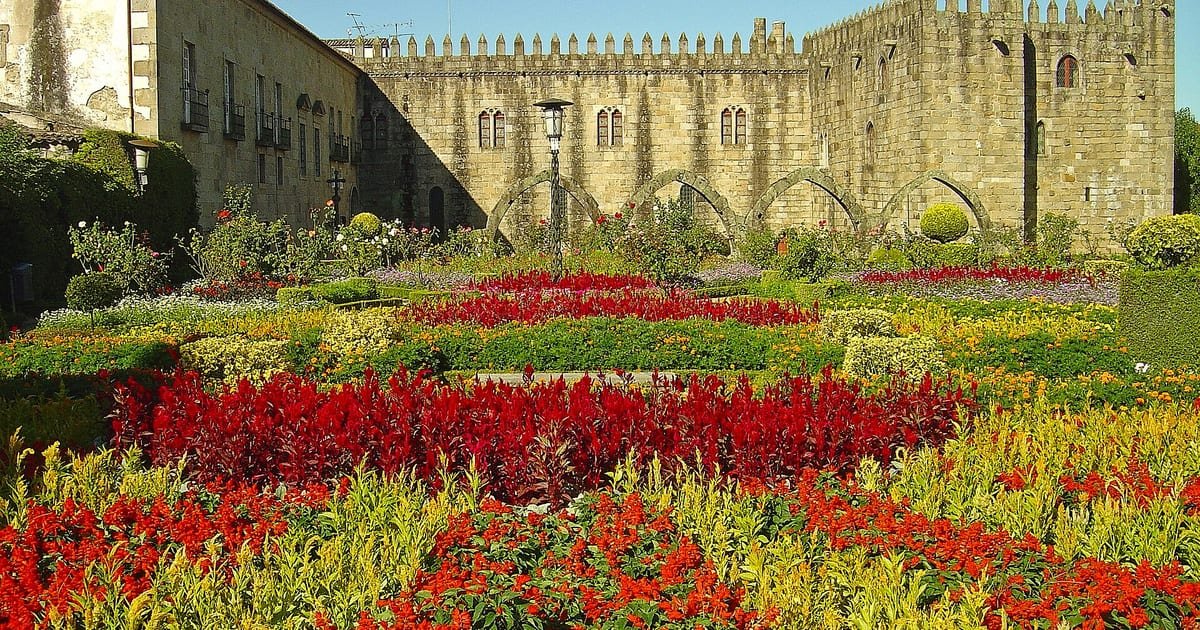
After exploring the cathedral, there's plenty to see nearby. The Garden of Santa Bárbara, with its Renaissance flower beds and the medieval wing of the Episcopal Palace as a backdrop, invites contemplative pause. The Praça da República, the city's nerve centre, offers outdoor cafés where you can have a coffee and try a fresh pastel de nata. The Arco da Porta Nova, the old gateway in the city walls, is just steps away and frames the entrance to the oldest area.
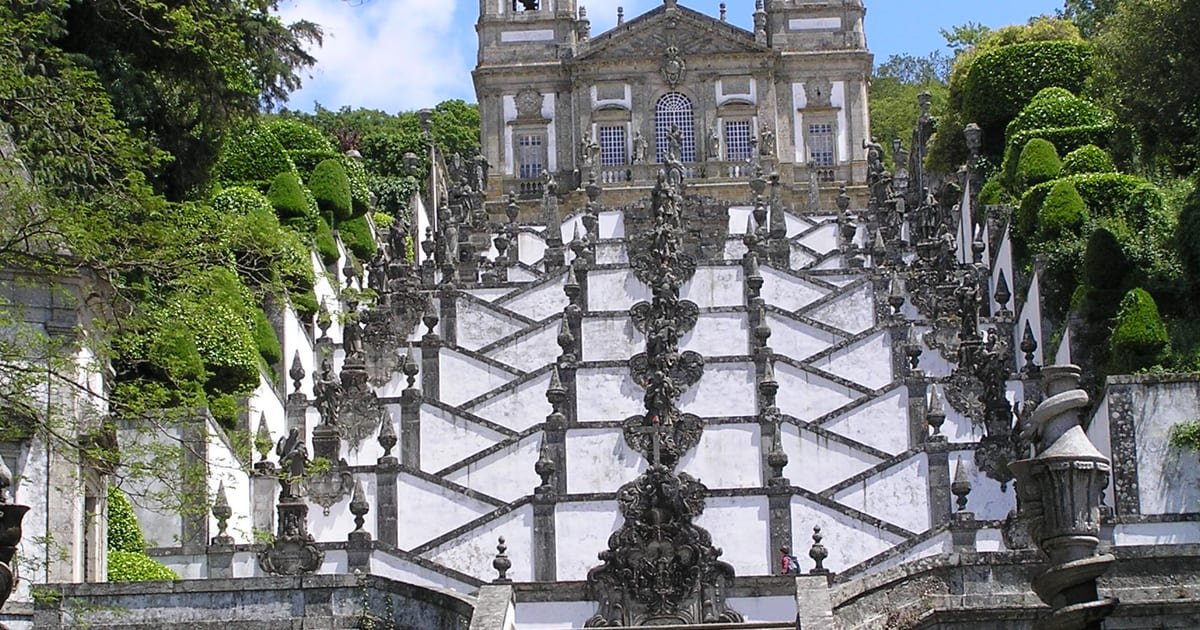
For museum lovers, the Museu dos Biscainhos (Baroque palace with tiled gardens) and the Museu de Arqueologia D. Diogo de Sousa are must-see stops. A visit to Braga can also extend to the Sanctuary of Bom Jesus do Monte, 6 km away, famous for its monumental staircase and 1882 hydraulic lift. Our house in Tregosa is ideally positioned to organise one or two-day routes through historic Minho, combining Braga, Guimarães and the Lima or Cávado valleys.
Why Stay in Tregosa to Visit Braga Cathedral
At our accommodation we often tell guests that Tregosa, by its location, works as the perfect base to explore deep Minho without the stress of staying in a city centre. After an intense day of history and monuments in Braga, returning to the tranquillity of a family home in Tregosa, surrounded by greenery with the river Neiva just steps away, makes all the difference. The Torres Barbosa family is always available to give route tips, recommend typical restaurants in Braga (there are wonderful hidden taverns in the lanes of the Cathedral Quarter) and help plan visits to other points in Minho.
The short distance — 32 minutes — allows you to leave early, enjoy the morning at the cathedral and still have time for lunch at one of Braga's historic restaurants, such as Inácio or Frigideiras do Cantinho. At the end of the day, the return to Tregosa becomes a decompression journey, where you swap millennial stones for birdsong and the murmur of the Neiva.
Practical Tips to Make the Most of It
- Bring a water bottle and comfortable shoes: Braga's historic centre is made of cobbled streets and hills.
- Reserve at least two hours for the Cathedral, including the treasury and chapels. If you want a guided tour, allow another 30-40 minutes.
- Avoid romaria weekends or major festivities (Holy Week, São João) if you prefer peace and quiet: the cathedral fills up quickly.
- Take the opportunity to buy a guide or leaflet at the tourist office in Praça da República — it helps interpret the iconography and chronology of the building.
- Combine your visit to the Cathedral with a trip to the municipal market (Mercado do Carandá), where you can try cheeses, sausages and regional bread from Minho.
Those who stay at Alojamento Rio Neiva in Tregosa have the advantage of being just half an hour from one of Portugal's most emblematic monuments, without giving up the comfort of a welcoming home and direct contact with the hosts. Planning your day well allows you to return in time for a sunset by the Neiva, closing the day with memories of stone and history that last forever.
Ready to discover the cathedral that saw Portugal being born? Book via WhatsApp and let the Torres Barbosa family help you build an unforgettable route through the heart of Minho.
Frequently asked questions
What are the opening hours of Braga Cathedral?The basilica is usually open from 9am to 6:30pm, but times may vary depending on masses and religious festivities. We recommend [VERIFY] on the official website or with the tourist office before visiting.
How much does it cost to enter Braga Cathedral?Entry to the basilica is free. Access to the Treasury-Museum and side chapels costs [VERIFY] per person. Children and students may benefit from a discount.
How do I get from Tregosa to Braga Cathedral by car?It's 28 km, about 32 minutes, via the A11 and N103. There are paid car parks near the cathedral, such as on Avenida da Liberdade and at Parque de Santa Bárbara.
Is the Cathedral Treasury worth visiting?Absolutely. The collection of goldsmithery, embroidered vestments and sacred art is one of the richest in Portugal, with pieces from the 12th to 18th centuries. The visit complements the architectural experience of the cathedral.
Can I take photographs inside the Cathedral?Yes, flash-free photography is generally permitted in the basilica. However, some areas of the treasury may have restrictions. Always respect staff instructions.
Is Braga Cathedral accessible to people with reduced mobility?The medieval building has uneven levels and stairs, which can make full access difficult. It's recommended to contact the sacristy or museum beforehand for information about support and alternative access.
Photo: Sonny Vermeer · Pexels