
St Martin's Day and Magusto Festivals in the Minho: Chestnuts and Tradition
There is a scent that announces autumn in the Minho before the calendar even does: the sweet smoke of chestnuts crackling over hot coals. Around 11 November, St Martin's Day, the villages of northern Portugal fill with magustos — and all it takes is a fire in the yard, a glass of young wine and good company for the evening to turn into a memory. It is one of the region's most beloved celebrations: unpretentious, deeply human, built around people gathered by the flames.
The legend of St Martin and the summer named after him
The story goes that St Martin of Tours, still a soldier, cut his cloak in two to give half to a beggar shivering in the cold. As a reward, the sky opened and the sun came out to warm the earth. That is the popular explanation for the Summer of St Martin — those mild, sunny days that almost always break through in mid-November, in the middle of grey autumn. In the Minho, the old folk say it is the right moment to taste the year's wine.
So what exactly is a magusto?
Guests of Alojamento Rio Neiva in Tregosa are just minutes away. Book via WhatsApp.
The magusto is the heart of the festival. Around a bonfire, chestnuts are roasted in pierced pans or straight on the embers, and the ritual matters as much as the treat. Hands blacken with burnt shells, some smear soot on each other's faces for a laugh, and stories flow as freely as the smoke. It is always paired with local drinks:
- Água-pé — a light, slightly sweet beverage made from grape pomace after the harvest, typical of this season.
- Jeropiga — fuller and sweeter, grape must fortified with spirit, perfect for warming cool evenings.
In the Minho, land of Vinho Verde, these drinks are part of rural identity, and the magusto is the perfect excuse to share them among neighbours, family and friends.
Autumn in the Minho countryside
Visit at this time and you will find a Minho quite different from the luminous green of summer: copper-coloured terraces, chestnut groves heavy with husks, smoke rising from chimneys at dusk. It is a season of country fairs, local produce and comfort food. Just minutes from Tregosa, our holiday home with a private pool in Tregosa, Barcelos makes a peaceful base for exploring it all on foot or by car, far from the rush.
How to experience an authentic magusto
It doesn't take much. If you pass through in mid-November, ask around the villages: community magustos are common, often tied to parish festivals or schools. Bring warm clothes, comfortable shoes and a willingness to chat — Minho hospitality does the rest. And if you'd rather host your own, all you need is a safe fire, fresh chestnuts from Barcelos market and a bottle of jeropiga.
Barcelos, Viana and the Minho around you
Barcelos, a few kilometres away, is famous for its weekly market — one of the largest in the country — and for the rooster, a symbol of Portugal. Viana do Castelo, with its Santa Luzia Sanctuary, and Braga, the city of archbishops, are both about half an hour away. In autumn, with fewer tourists and golden light, the region is at its very best.
If you're planning an autumn getaway to the north, just minutes from all of this you'll find Alojamento Rio Neiva, an ideal base — with a pool, garden and barbecue for your own magusto. Message us on WhatsApp and come taste St Martin's Day the Minho way.
Frequently asked questions
When is St Martin's Day celebrated in the Minho?
It falls on 11 November, but magustos take place throughout that week and the nearest weekend. It is the moment to taste the new chestnuts and the year's young wine.
What is the difference between água-pé and jeropiga?
Água-pé is light and low in alcohol, made from grape pomace after the harvest. Jeropiga is sweeter and fuller, made by adding spirit to grape must. Both are traditionally served with the roasted chestnuts of the magusto.
Where can I watch a magusto near Barcelos?
In mid-November, many villages and parishes around the region hold community magustos. It is worth asking locally or checking the parish councils' social media. Barcelos market is also a great place to buy fresh chestnuts.
What else is there to do in the Minho in November?
Beyond the magustos, it is an ideal time to explore Barcelos, Viana do Castelo and Braga, wander through autumn-toned chestnut groves and terraces, and enjoy the region's comfort food. With fewer tourists, it is a quiet, authentic time to discover the north.
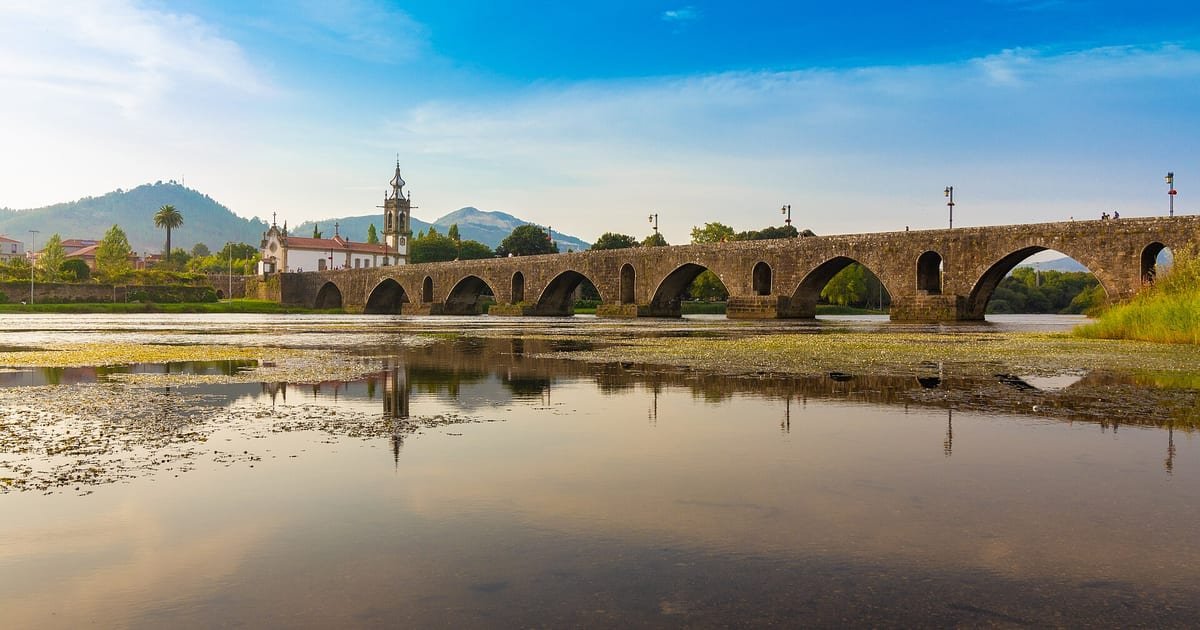
Photo: L.Miguel Bugallo Sánchez (Lmbuga) / Wikimedia Commons (Public domain)